

Roof guides
Does home insurance cover roof damage? Storm damage vs wear and tear
27 October 2026 · Scott Ryan
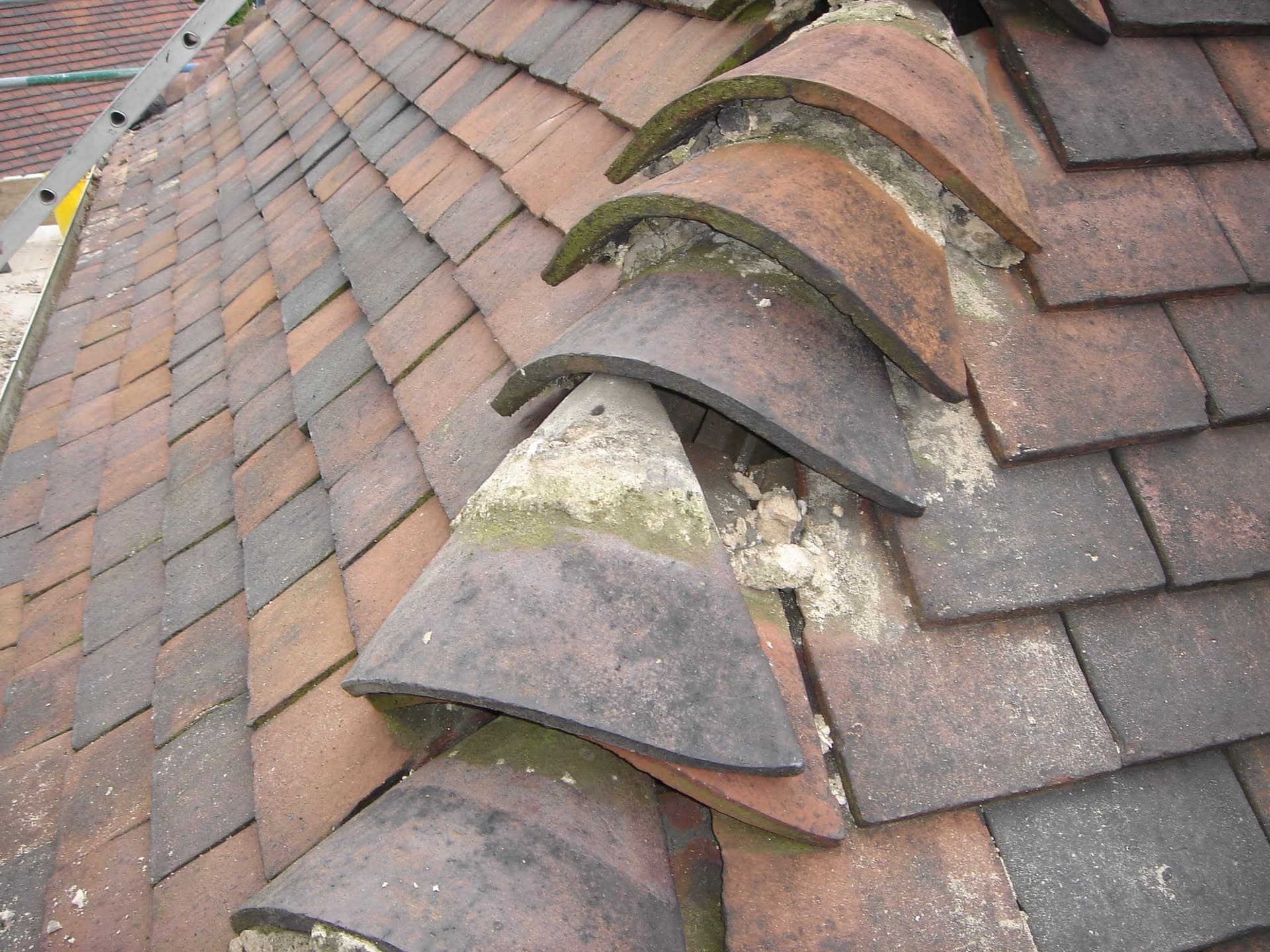
Usually, if the damage was sudden and caused by a storm. Usually not, if the roof was already failing. Most UK home buildings policies cover storm damage, but almost all of them exclude wear and tear, gradual deterioration and poor maintenance. Whether a roof claim is paid comes down to which of those the insurer decides caused the damage, so it's worth knowing how they decide before you ring them.
What insurers usually cover
- Tiles, slates or ridge tiles blown off or dislodged in a storm
- Damage from something falling onto the roof, such as a tree or a large branch
- Water coming in as a direct result of that storm damage. Check whether your policy covers the damage inside the house as well as the roof
What they usually don't
- Wear and tear: tiles that have slipped over years as their nails corroded, perished felt, ridge mortar that has crumbled away
- Leaks that have been getting gradually worse for months
- Damage made worse because an earlier problem wasn't fixed
- A flat roof that has simply reached the end of its life
This is where most roof claims are turned down. An old roof can lose tiles in a storm that a sound roof would have shrugged off, and the insurer may decide the storm only exposed a problem that was already there.
How an insurer decides it was a storm
When a storm claim is disputed, the Financial Ombudsman Service asks three questions. Were there storm conditions on or around the date the damage happened? Is the damage consistent with what a storm typically causes? And were the storm conditions the main cause of the damage, rather than just highlighting wear and tear? Insurers broadly work the same way.
Many policies define a storm by wind speed or rainfall, and the threshold varies between insurers, so read your own policy wording. Note the date of the storm too: insurers check weather records against it.
Evidence that helps your claim
- Dated photos of the damage from the ground, taken as soon as it's safe. Don't go up on the roof for a better shot
- The date of the storm, and any weather warning for your area
- A written report from a roofer: what's damaged, what caused it and what the repair involves
- An itemised repair quote, so the insurer can see exactly what the money is for
- Evidence the roof was looked after. Invoices for earlier repairs help show the damage wasn't long-standing
A clear report from an NFRC CPS registered roofer, with photos, is the most useful thing you can hand an insurer. For storm-damaged roofs we provide a free drone survey, a written report and itemised costs, so you have the evidence whether or not you decide to claim. We're also part of the Home Repair Network, which carries out property-damage repairs on behalf of most of the UK's national insurers, so we can often be appointed to do the approved repair through your insurer.
Is it worth claiming?
Not always. If the repair costs less than your excess, or only a little more, a claim can cost you more in future premiums than it pays out. Get the repair priced first, compare it with your excess, then decide.
If it turns out to be wear and tear
If the honest answer is that the roof was worn out, a claim is unlikely to succeed, and the storm damage is a warning that more will follow. A survey will tell you whether a repair will hold or whether it's time to plan a replacement, so you can budget for it instead of waiting for the next storm.