

Seasonal
Storm damage to your roof? What to do first — and how insurance claims work
27 June 2026 · Scott Ryan
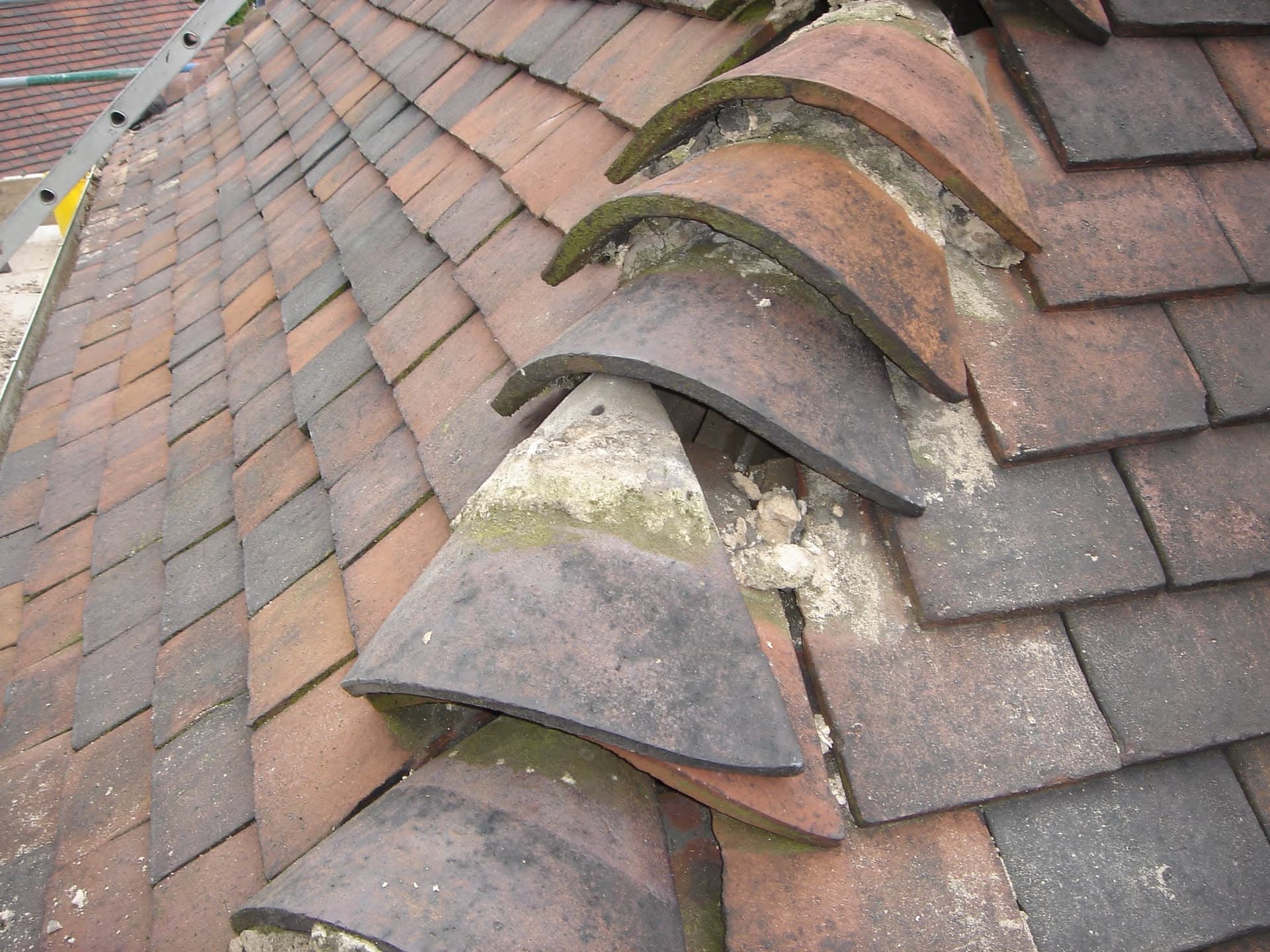
A proper storm rolls through, and the next morning there are tiles on the lawn or a damp patch spreading across the bedroom ceiling. It's stressful — but the right first moves protect your home and make any insurance claim far smoother. Here's what we tell people who ring us after a storm.
First: stay safe
- Don't go up on the roof yourself — wet, storm-damaged roofs are how people end up in hospital
- Keep clear of anything hanging loose or any fallen power lines
- From the ground, take photos of any visible damage — they'll matter later
If you need help with an active leak or loose roofing, contact us to discuss making the roof safe and arranging an inspection. Stay off the roof and keep clear of damaged areas.
Stop it getting worse
If water's getting in, move furniture clear and put a bucket down. A roofer can fit a temporary cover or sheet to stop the ingress until a permanent repair is done — that's usually the urgent first job, not the full fix.
How insurance claims usually work
Most home buildings policies cover storm damage. The process is normally:
- Photograph everything and note the date of the storm
- Call your insurer to report it and get a claim reference
- Get a roofer to inspect and provide a written report and quote for the repair
- Your insurer may send their own assessor for larger claims
A clear written report from an NFRC CPS registered roofer — what's damaged, what caused it, what it'll take to put right — is exactly what an insurer wants to see, and it speeds the whole thing up.
We can help
We cover storm callouts across Mansfield and Nottinghamshire — temporary make-safe first if it's leaking, then a proper repair and the written report you need for your claim. Ring us and we'll get someone out.