

Seasonal
Can you replace a roof in winter? What weather actually delays roofing
27 October 2026 · Scott Ryan
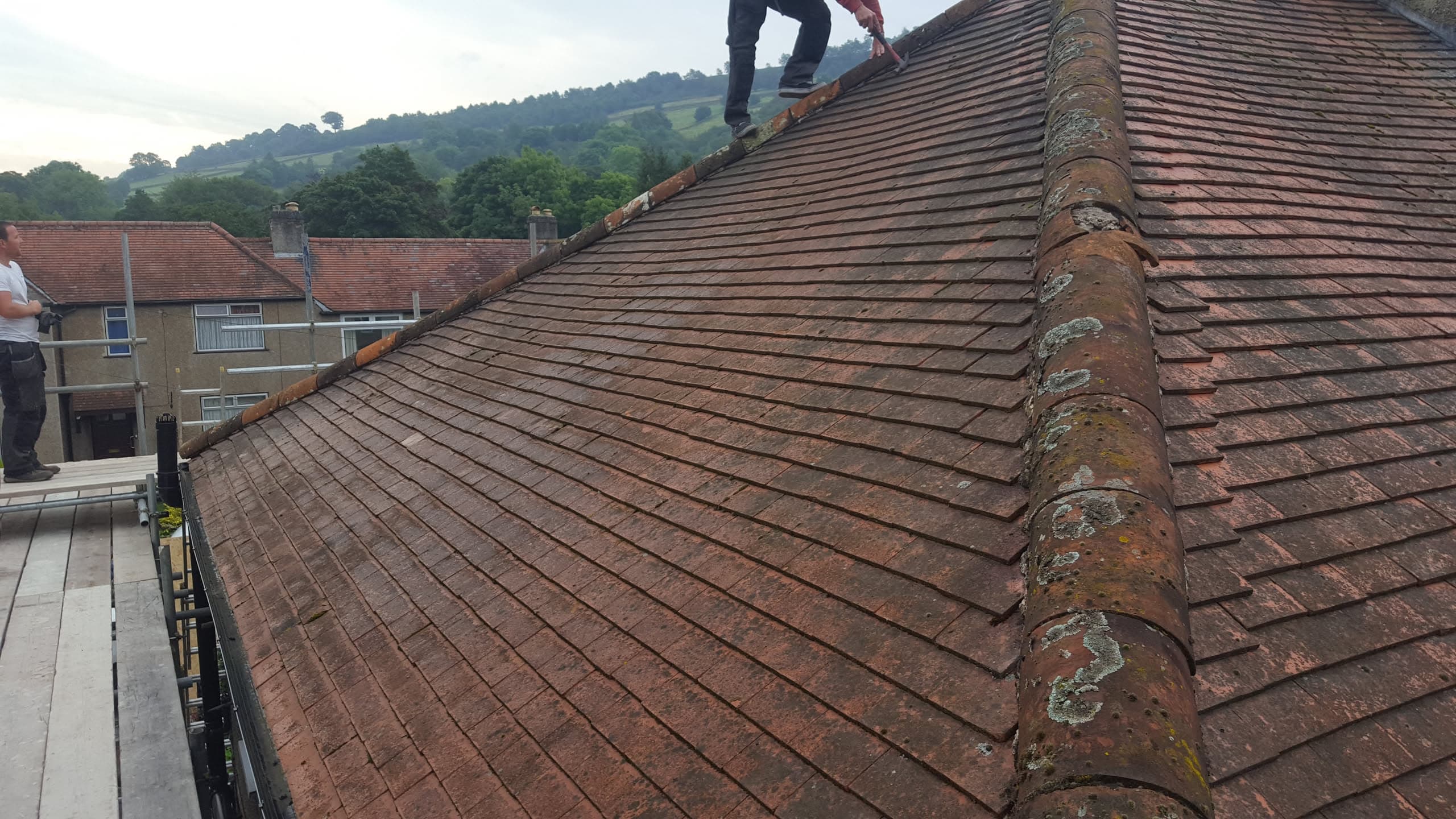
Yes. Roofs are replaced all through the winter. The weather decides which days the crew can work, not whether the job can be done. A properly run re-roof only opens up as much roof as can be made watertight again the same day, so your home stays dry even if it rains overnight.
What actually stops work
- High wind. Working at height and carrying tiles and sheet materials in strong wind isn't safe, so the crew stops rather than take the risk
- Heavy rain. Showery days can often be worked around, but nobody should strip a roof in a downpour
- Frost and ice. A frozen roof is a slip hazard, and mortar and many adhesives need temperatures above freezing to cure properly
- Short days. Less daylight means shorter working days, so a winter job can take a little longer
How your home stays dry
The rule we work to is simple: we only ever open up what we can close by the end of the day. The old tiles come off a section at a time, the new membrane and battens go on, and the roof goes back weathertight every night. It's why a re-roof can look slower from the outside than you'd expect, and why your ceilings stay dry while it's going on.
Bad weather can pause us. We'd rather lose a day than lay a roof badly, and you'll get a realistic schedule before we start, not an optimistic one.
Flat roofs and conservatory roofs
Flat roofs are more weather-dependent than tiled ones. An EPDM rubber roof is bonded to the deck, so the deck has to be dry, and the adhesives have minimum application temperatures set by the manufacturer. On a cold or damp day, the right call is to wait.
Weather can delay a conservatory roof replacement for the same reasons. The old roof only comes off when there's a dry enough window to get the new structure on and weathertight, and the same end-of-day rule applies. If the forecast turns, the work moves.
Is winter a good time to book?
Winter is when roofs show their weaknesses. Freeze-thaw cracks tiles and mortar, and storms find slipped tiles and tired flashings. If your roof is near the end of its life, a survey now tells you whether a repair will see it through to spring or whether it's time to plan a replacement. Lead times change through the year, so you'll get the current start date in writing with your quote.
If water is already coming in, that's a different job: the roof gets made safe and watertight first, and the permanent fix follows.