

Roof guides
Damp in the loft: is it a leak, or is it condensation?
10 August 2026 · Scott Ryan
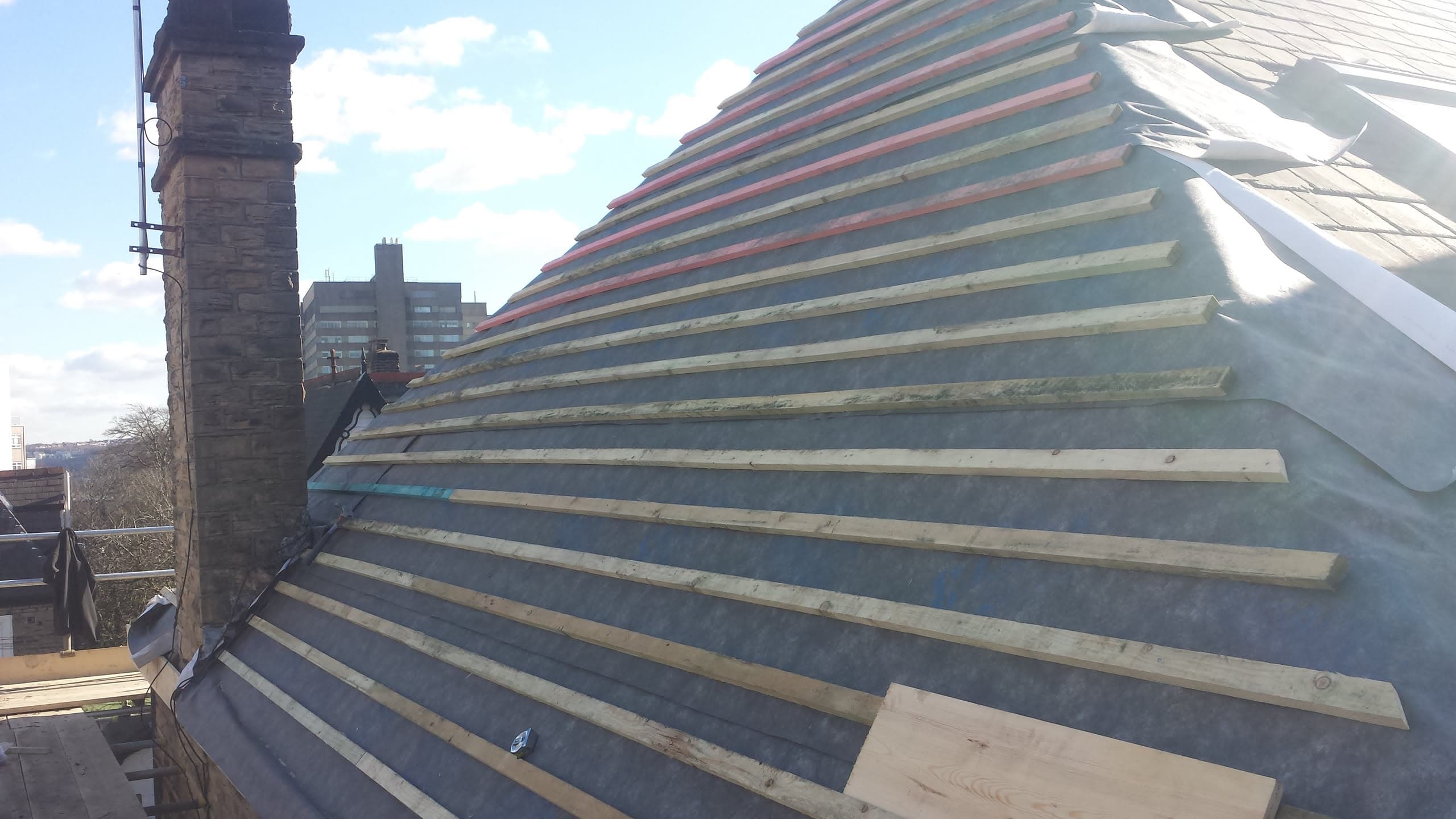
Every January we get the same call. Damp patches on the bedroom ceiling, black mould on the loft timbers, water dripping off the nails. The homeowner has been quoted for a new roof and wants a second opinion.
Often they don't need one. What they've got is condensation, and a brand new roof laid over the same unventilated loft will do exactly nothing about it. It's one of the few times we'll talk somebody out of a job — so it's worth knowing how to spot it yourself.
Four questions that usually settle it
- Does it show up on cold nights rather than wet ones? Rain causes leaks. Cold causes condensation. If the worst mornings are clear and frosty, it isn't rain getting in
- Is it everywhere, or in one spot? A leak has a source — one patch, one run, one stain that gets bigger. Condensation is spread thinly across the whole roof space
- Is the water on the underside of the felt, or on the timbers and nails? Beads of water sitting on nail points and rafters is condensation almost every time
- Does it get worse when the house is full? More people, more showers, more washing on radiators. If a busy Christmas week makes it noticeably worse, that's moisture from inside the house
If you're answering yes to those, the problem isn't your tiles.
Where the water actually comes from
An average household puts several litres of water into the air every day just by living — showering, cooking, drying clothes, breathing. Warm air holds that moisture happily. It rises, finds every gap in your ceiling, and arrives in a loft that in January might be close to freezing.
Cold air can't hold it. So the moment that warm damp air touches the cold underside of the felt, a nail point or a rafter, it gives the water up. That's your condensation. On a bad night it runs down the membrane and drips onto the insulation, and by morning you've got a wet patch on the ceiling below that looks exactly like a leak.
The usual culprits
- An extractor fan venting into the loft instead of outside — the single most common cause we find, and the most infuriating. The bathroom fan pushes warm wet air straight into the roof space, often through a flexible duct that's fallen off its outlet
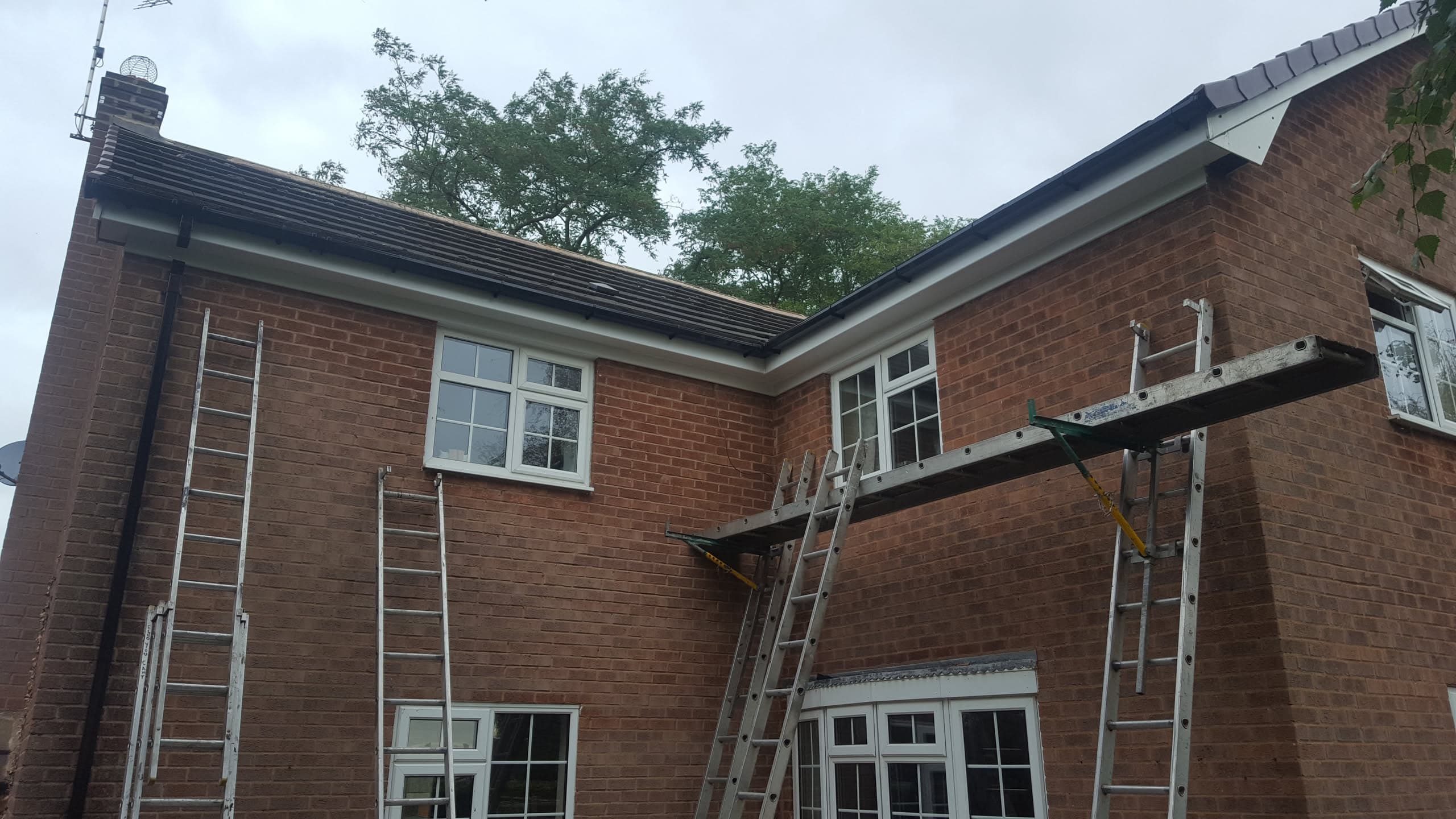
- Insulation stuffed tight into the eaves, blocking the airflow path along the edge of the roof
- A loft hatch with no seal on it — a permanently open chimney for warm air
- Downlighters in the ceiling below, each one a hole letting warm air up
- Old bitumen felt, which doesn't breathe at all, on a roof with no vents anywhere
- Clothes dried indoors on radiators through the winter, which is a surprising amount of water going into the air
Why adding insulation sometimes made it worse
This catches people out. You top up the loft insulation to save on heating, and the following winter the loft is soaking. Nothing has gone wrong — it's working as designed. Better insulation keeps more heat in the house, which means the loft above it is now colder than it used to be. Colder surfaces, more condensation.
The insulation isn't the problem. The problem is that the ventilation was never sorted out to match it — and if the installer pushed the insulation right into the eaves, they've also blocked the one path air had to get in.
What actually fixes it
Three jobs, in this order. Do them in the wrong order and you'll spend money without solving anything.
1. Get air moving through the roof space
A cold loft needs a through-draught: air in low at the eaves, out high at the ridge. The usual benchmark is a continuous 25mm gap the full width of the eaves — achieved with vented soffits, over-fascia vents, or eaves trays that hold the insulation back off the wall plate. On the way out, ridge vents or a run of tile vents near the top. It's cheap work and it's often done at the same time as replacing fascias and soffits, which most houses need eventually anyway.
2. Stop moisture getting up there
Trace every extractor fan and make sure it vents outside — through the wall, a soffit outlet or a proper roof terminal — not just into the loft void. Check the ducting is actually still attached at both ends. Then fit a draught seal to the loft hatch and seal around any pipes or cables coming through the ceiling.
3. Deal with what's already there
Insulation that's been soaked has stopped insulating and won't recover — it needs replacing. Timbers with surface mould can be treated, but if anything feels soft rather than just stained, get it looked at properly before you cover it back up.
If the roof is due replacing anyway, a modern breathable membrane instead of old bitumen felt changes the picture completely — it lets water vapour pass out through the roof rather than trapping it underneath. We fit breathable membrane and dry-ridge ventilation as standard on every re-roof, which is why condensation complaints on roofs we've done are close to non-existent.
What not to do
- Don't seal the loft up tighter to keep the cold out — that's the opposite of the fix
- Don't rip the insulation out. Pull it back off the eaves by all means, but you want it there
- Don't accept a quote for a full re-roof as the answer to a condensation problem without someone properly explaining why
- Don't paint over ceiling stains until you know it's cured, or you'll just be painting them again next winter
When it genuinely is a leak
Sometimes it is, and the two can happily coexist. The tells are a stain with a defined edge that grows during rain and dries out afterwards, daylight visible through the roof from inside the loft, or a run mark tracking down one particular rafter. Storm damage, slipped tiles, failed flashing round the chimney and blocked valleys all show up that way.
The honest answer is that from the ground, and often from inside the loft too, you can't always tell. That's what a survey is for.
Get a straight answer first
Every WeatherTech quote starts with a free drone survey — we photograph the whole roof close up and go through the pictures with you. If the tiles are sound and the problem is ventilation, we'll tell you that, and tell you what it'd take to put right. It's a much cheaper conversation than a new roof you didn't need.