

Seasonal
The Great British weather and your roof
12 May 2026 · Scott Ryan
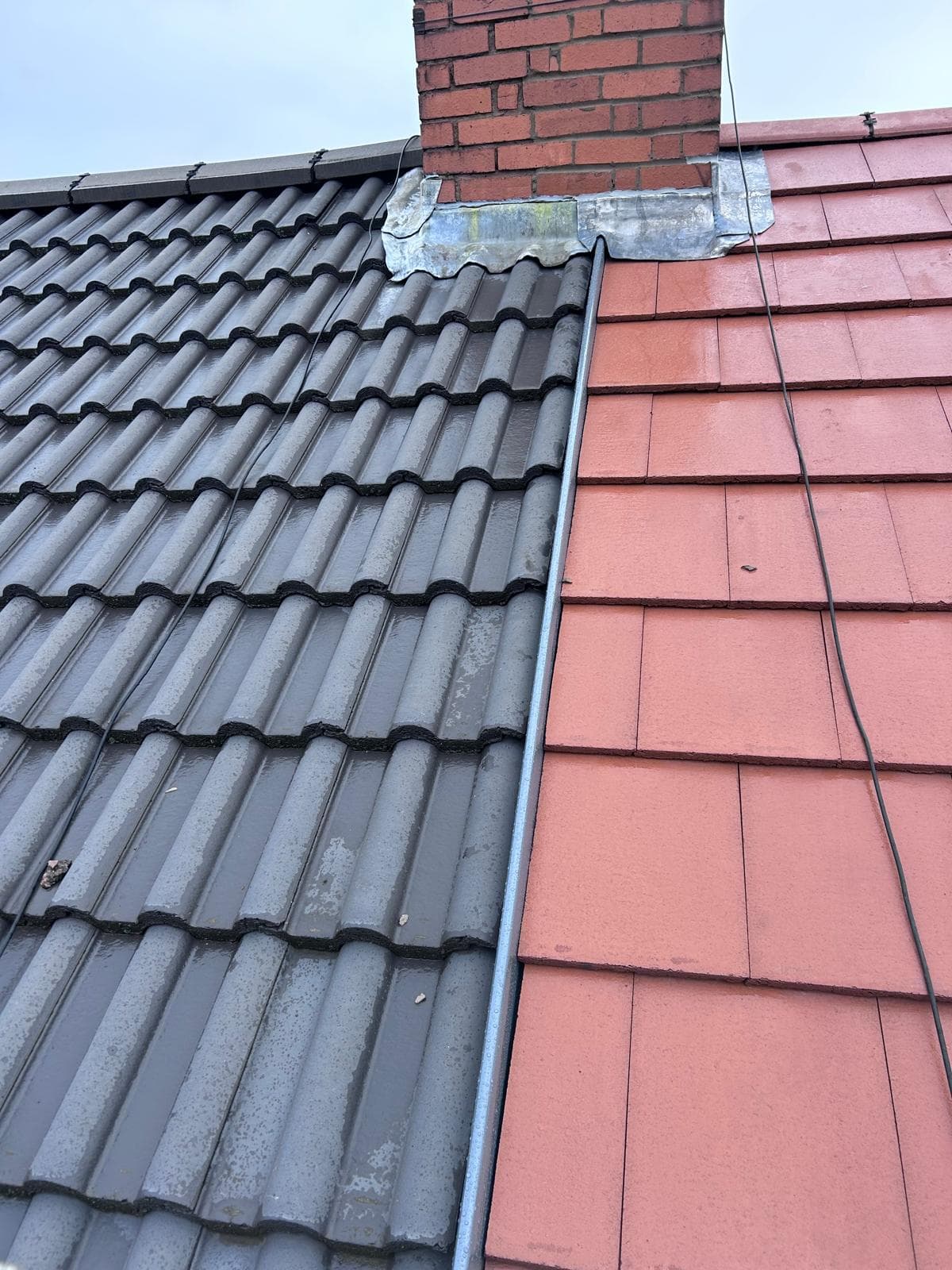
British roofs take a kicking. We get four genuine seasons, not always in the right order, and every one of them attacks tiles, mortar, flashings and felt in a different way. Knowing what each season does is the first step to staying ahead of leaks.
Winter — the big one
Freeze-thaw cycles split tiles and crack mortar. Water gets into a hairline crack, freezes overnight, expands, and the crack opens a little more. Repeat for 60 nights and the tile shatters in March. Lead flashings shrink in the cold and pull away from chimneys. Wet snow sits on flat roofs and finds every weak seam in felt.
What to do
- Check the roof from ground level after every named storm — look for visibly displaced tiles or new gaps along the ridge
- Clear gutters in November so meltwater has somewhere to go
- Get any 2024-noticed slipped tiles fixed before the first hard frost
Spring — the reveal
Spring is when winter damage shows up. Damp patches on ceilings appear once heating goes off and condensation drops. Mortar that's lost cohesion crumbles out of ridges. This is the busiest survey season for us — and the cheapest time to act, because we can book you in before the summer rush.
Summer — UV and movement
UV slowly degrades felt and EPDM rubber. Concrete tiles bake and lose their factory colour. Hot lofts move and twist as the timber expands; you get small cracks in plaster around the ceiling/wall junction that have nothing to do with leaks — they're thermal movement.
Summer is the time for big jobs. Long dry windows mean we can strip and re-cover a roof confidently in three to five days.
Autumn — gutters, gutters, gutters
Leaves block downpipes. Water backs up the gutter, over the fascia, and into the soffit. Soffits start to rot from the back where you can't see them. By the time you spot fascia paint flaking, the timber underneath is often gone.
A gutter clear is cheap. Soffit replacement isn't. Worth booking a clear-out every October.