

Hiring a roofer
What does an NFRC Competent Roofer certificate mean?
24 November 2026 · Scott Ryan
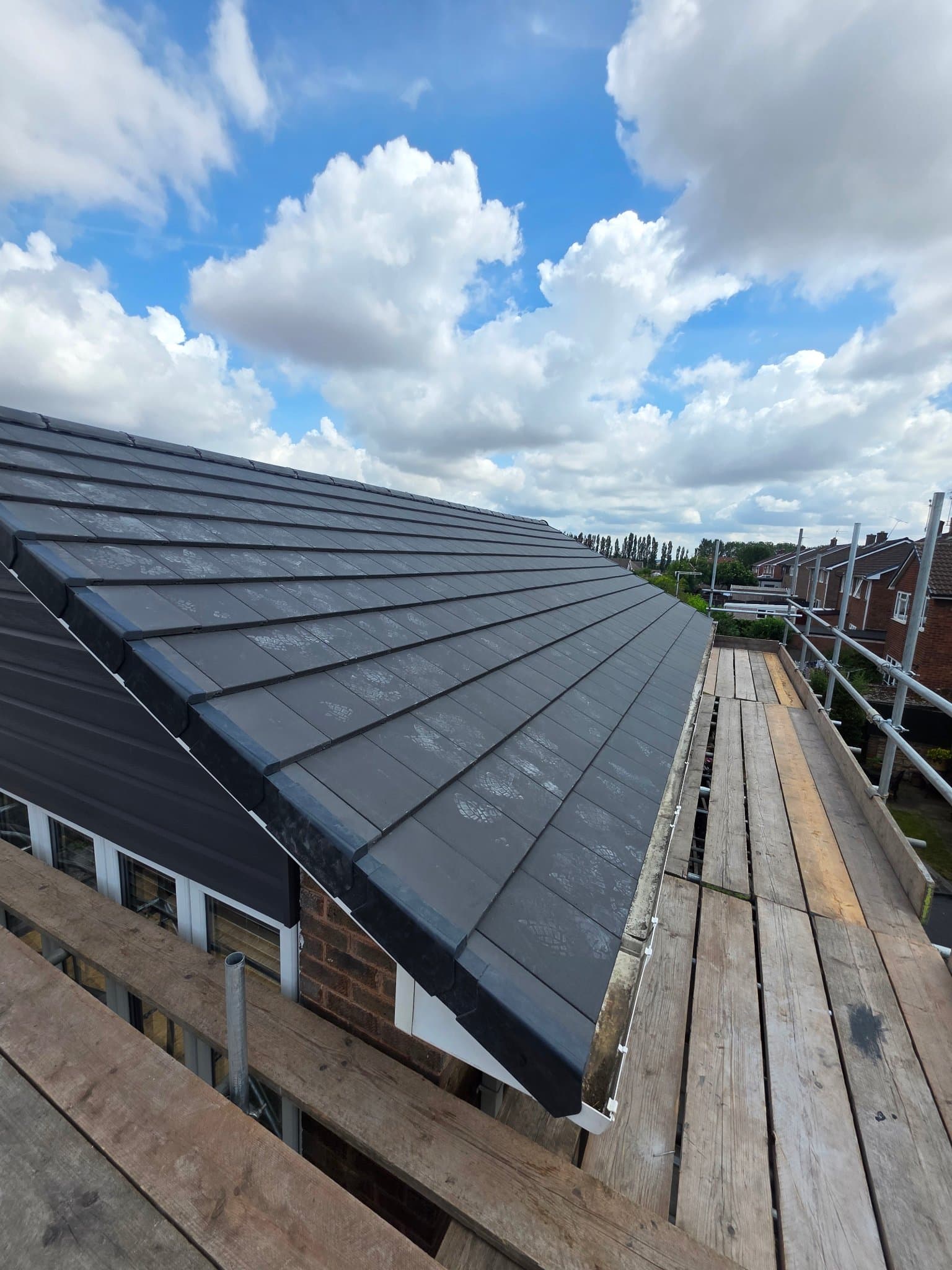
If you're changing more than 25% of your current roof, you need to read this now.
Before work starts, your roofing company should explain whether Building Regulations approval is required and how the work will be certified. Where approval is required, it needs to be dealt with properly, whichever company you choose.
What are the actual thresholds?
For roof renovation in England, the main area thresholds concern more than 50% of the relevant roof thermal element, or renovation affecting more than 25% of the whole building envelope. The building envelope includes the roof, walls, floor, windows and doors. The 25% figure is not simply 25% of the roof.
Structural alterations, significant changes in fire performance or an increase of 15% or more in the roof covering's weight can also require approval. Smaller jobs therefore need checking on their own facts; the area percentage is not the only consideration.
Why the paperwork matters
When comparing roofing quotations, the paperwork deserves attention alongside the tiles and the price. A compliance certificate, a workmanship guarantee and an insurance-backed guarantee have different purposes.
WeatherTech Roofing is registered with the NFRC Competent Person Scheme. Here is what that means when we undertake qualifying roof refurbishment work.
What is the Competent Person Scheme?
The scheme allows registered contractors to self-certify eligible roofing work within their registered scope against the relevant Building Regulations. Contractors are assessed through the scheme, including audits and site inspections.
NFRC membership and Competent Person Scheme registration are different things. If a quotation promises self-certification, check the contractor's actual scheme registration.
What certificate should you expect?
For qualifying work registered through the scheme, the homeowner receives a Building Regulations Compliance Certificate. The registration process also provides the relevant notification to Building Control.
The certificate records compliance for the work covered by that registration. It is not planning permission, and it does not certify unrelated alterations elsewhere in the house.
Whether a particular project needs notification, and which route applies, should be established before work starts. Ask for that arrangement in writing rather than relying on a general claim that all roofing work is covered.
How is that different from a guarantee?
A workmanship guarantee sets out the installing contractor's responsibility for covered defects. An insurance-backed guarantee provides separate protection under its policy terms if the contractor ceases trading and cannot honour the covered guarantee.
A manufacturer's warranty is another document again, relating to the product and its stated conditions.
None should be treated as an unlimited promise that covers every future roof problem. Read the scope, exclusions and claim arrangements.
What should WeatherTech customers check?
Your written quotation should explain the proposed work, the certification arrangement where applicable and the guarantees included. Keep the completion documents with your property records, along with the quotation and payment paperwork.
WeatherTech is also Trading Standards approved through Buy With Confidence. That is a separate accreditation; it does not replace Building Regulations certification.
Plan your replacement roof
Planning a replacement roof? Call WeatherTech Roofing on 01623 642103. We will explain the proposed roofing system and the paperwork included with your job.